Riverside Natural Foods Ltd. Sheppard Avenue Campus
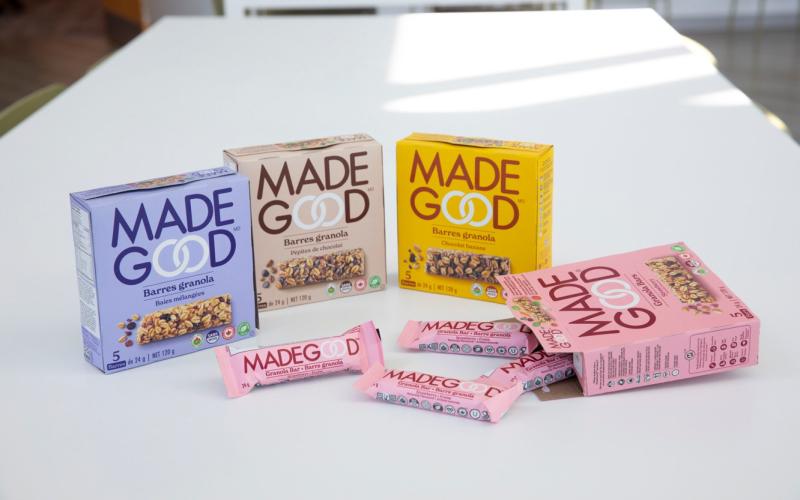
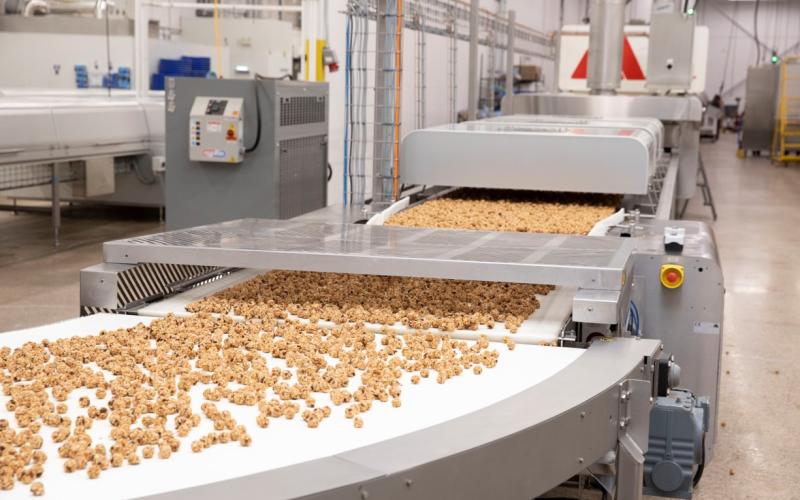
Riverside Natural Foods Ltd. is a food manufacturing company and the home of MadeGood. The Sheppard Avenue Campus in North York, Ontario includes food manufacturing, logistics, and office operations and has achieved TRUE Gold certification with a 95.2% diversion rate. The project reflects Riverside’s commitment to environmental stewardship, circularity, and its purpose of inspiring a healthier and more compassionate world where access to Good Food is a reality for all.
Across the campus, we have built systems to refuse, reduce, reuse, repurpose, recycle, remind, and track materials before they become waste. Where waste is generated, we strive for continuous improvement to bring waste materials to their highest use. Many of our key operational practices include right-sizing collection containers, improving waste-stream reporting, reducing pillow-pack and secondary packaging material, piloting paper packaging, setting printers to duplex printing, expanding reusable systems for uniforms, transport totes and pallets, and maintaining clear receptacle labeling and training for employees and contractors. We also maintain a high cadence of communication with our value-chain partners: from our producers, to suppliers, to contractors, to ensure a mutual commitment to waste reduction and efficacy across our operations.
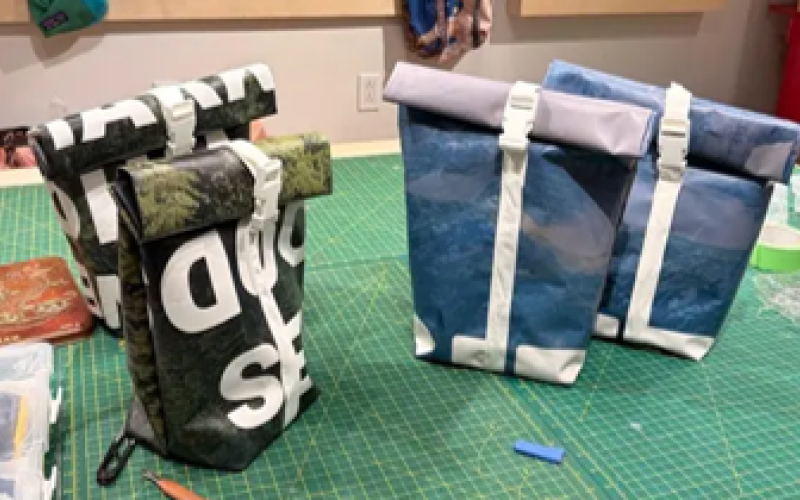
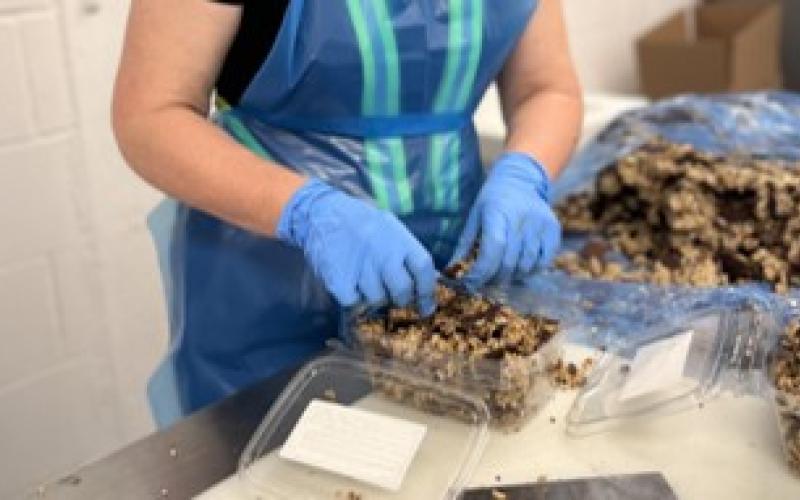
Beyond our facility footprint, we also work with community and value-chain partners to extend the useful life of materials and food. For instance, semi-finished products that cannot be reincorporated into production and products are redistributed to Daily Bread Food Bank, supported by a co-designed clean repackaging space and food-safe handling procedure including metal detection. This initiative works to bridge our semi-finished goods, corporate volunteer teams across Daily Bread Food Bank’s network, to repackage and provide organic, healthy and dignified food donations through Daily Bread Food Bank’s network of ~100 food hubs and pantries across the GTA. In 2025, this represented nearly 89 tons, or approximately 2.6 million servings, of food donated for repackaging. Further, Riverside is also exploring opportunities with Alimentaire Québec / Moisson Montreal to rework and repurpose another large waste stream often destined for animal feed: this includes research and development, trial, and semi-finished goods with mild palatability-issues. In partnership and avoiding concerns for intellectual property and innovation efficacy, these goods will be repackaged in a safe handling room into bulk-sized bags, redistributed to community kitchens, where staff can repurpose these into hot scratch meals for community kitchens, harvest and pantry programs in ~200+ communities. Finally, we have additional partnerships to reduce a reoccurring but often disregarded stream of marketing and trade show materials. In partnership with DesignWITH, a local skills incubator here in Toronto employing refugees, we maintain a stream of repurposing our marketing and raw-material packaging (i.e., Oat Super Sacks) into MadeGood-branded items used for internal community programs, as well as trade and consumer shows.
"In living our values of respect — for each other, and the planet — every employee is working to take ownership over their waste, as we continually seek to transition from a linear (take-make-dispose) waste system to a circular one (take-make-repurpose)," said Bryant M. Serre., Community Programs Manager, Impact Team. "Certification does right by our values, and our commitment to each other. It codifies our commitment to the planet and each other, as we pursue our purpose in Inspiring a healthier and more compassionate world where access to Good Food is a reality for all."
Photo credit: Bryant