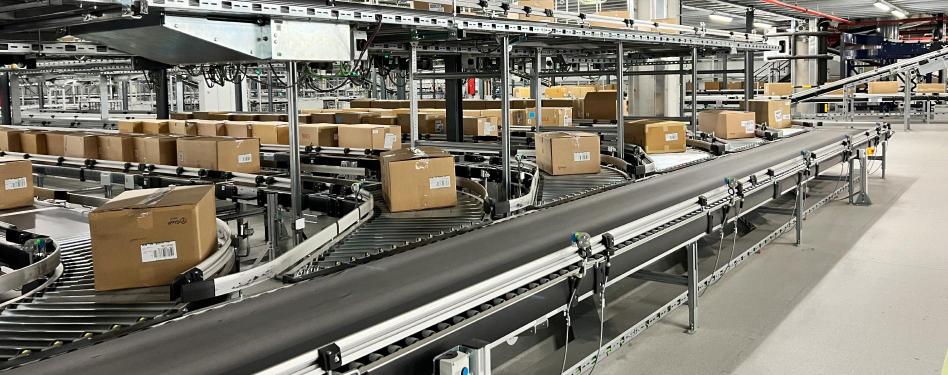
Photo credit: Javier Cordero Lozoya
TRUE-certified projects save more than $20,000 in waste-related expenses per year and generate nearly $22,000 annually.
For years, sustainability conversations have focused on carbon, energy and water. Waste has often been treated as a downstream problem, something to be collected, hauled away and managed after the fact.
Today, that mindset is changing.
Around the world, organizations are recognizing that better waste management represents an opportunity to improve operational performance, reduce costs, strengthen supply chains, engage employees and advance sustainability goals. Materials once viewed as waste are increasingly being treated as valuable resources that can create business value when managed strategically.
The opportunity is significant. According to the 2025 USGBC impact report titled "The Zero Waste Blueprint," municipal waste mismanagement currently costs an estimated $361 billion annually. That figure could reach $640 billion by 2050 without meaningful intervention. At the same time, circular economy approaches could unlock an estimated $4.5 trillion in global economic benefits by reducing waste, improving resource efficiency and keeping materials in productive use longer.
At the center of this shift is TRUE certification.
Administered by GBCI, TRUE (Total Resource Use and Efficiency) provides a framework for helping organizations reduce waste through better material management, operational improvements and circular economy strategies. More than 500 projects worldwide have achieved certification, collectively diverting nearly 8.9 million tons of waste and preventing more than 7 million metric tons of GHG emissions. TRUE-certified projects span more than 272 million square feet across manufacturing, retail, office, hospitality, agriculture, distribution, warehousing, construction and event venues.
From waste management to operational excellence
Many organizations begin their TRUE journey with environmental goals. What often surprises them are the operational benefits.
According to USGBC's report "The Zero Waste Blueprint," the average TRUE-certified project saves more than $20,000 annually in waste-related expenses and generates nearly $22,000 annually through recycling commodity sales. Certified projects achieve an average diversion rate of 95%, demonstrating that waste reduction can create measurable operational value while advancing sustainability goals. Across the portfolio of certified projects, TRUE is associated with an estimated $74.7 million in annual savings, while also helping organizations divert nearly 8.9 million tons of material from landfill and incineration.
The report also found that, across a sample of certified projects, waste-related expenses declined by 15%, while revenue generated through recycling commodity sales increased by 31%. These outcomes demonstrate that better materials management can directly improve financial performance while supporting sustainability objectives.
Those figures only tell part of the story.
TRUE projects must demonstrate at least 90% diversion from landfill, incineration and the environment over a 12-month period while maintaining contamination controls, annual reporting and continuous improvement practices.
These requirements encourage organizations to rethink how materials move through their operations. Participants frequently redesign procedures, transform purchasing practices, improve material tracking, and work with suppliers to reduce packaging and create take-back programs that keep resources in circulation longer.
This system-wide thinking drives operational improvement. Waste audits reveal unnecessary purchasing. Supplier engagement reduces excess packaging. Improved material tracking uncovers opportunities to reduce costs and recover value. In many organizations, waste management becomes a proxy for achieving broader operational excellence.
A retail giant shows what waste diversion at scale looks like
One of the clearest examples of the benefits of waste diversion comes from Inditex, the global retailer behind brands such as Zara. Across 13 certified facilities in Spain, Inditex has achieved diversion rates ranging from 91.1% to 99.04%, creating one of the world's largest networks of TRUE-certified logistics and retail operations. However, the company's success did not come from recycling alone.
Inditex redesigned packaging systems to improve durability and recyclability, replaced disposable products with reusable alternatives, reduced plastic film consumption and expanded material reuse programs. Materials ranging from cardboard and pallets to textiles and display graphics are kept in productive use through reuse and repurposing initiatives.
These efforts helped reduce waste generation at the source while improving resource efficiency throughout the company's logistics operations. The result is not simply less material going to landfill but better control over materials, packaging and operational processes.
Data from hundreds of certified projects supports this pattern. As projects move from basic certification levels toward Gold and Platinum, they rely increasingly on reuse and composting strategies rather than recycling alone, reflecting deeper operational change and stronger upstream control of materials.
Zero waste at stadium scale
The operational benefits of TRUE become even more apparent in environments where thousands of people generate waste in just a few hours.
Mercedes-Benz Stadium in Atlanta, Georgia, home to the National Football League's Atlanta Falcons and the Major Soccer League's Atlanta United, achieved both LEED Platinum and TRUE Platinum certification through extensive waste diversion, material recovery, composting and supplier engagement efforts. The project demonstrates that zero-waste principles can be successfully applied in one of the most operationally complex building types imaginable.
Large venues face unique challenges. Food service operations, event vendors, guest waste streams, maintenance activities and procurement decisions all contribute to the facility's waste footprint. Through partnerships with organizations including Coca-Cola, Georgia Power, Novelis, Waste Management and Ecoworks Studio, Mercedes-Benz Stadium built systems that support waste reduction and reuse, recycling, and composting at scale.
The project highlights an important shift in thinking. Materials management is no longer simply a back-of-house function; it is an operational system that influences procurement, logistics, vendor relationships, employee training and brand reputation.
A global movement gains momentum
The rapid growth of TRUE adoption in India reflects this changing perspective.
Recent industry reporting has identified India as the second-largest market globally for TRUE certification. Organizations there are increasingly pursuing certification in response to sustainability disclosure requirements, evolving regulations and expectations from global supply chains. However, compliance alone does not explain this trend.
According to Mili Majumdar, senior vice president of innovation and research at USGBC, organizations are increasingly using TRUE as a systems framework to redesign material flows, improve measurement practices, and build operational discipline into business processes. Materials management is becoming a boardroom conversation because it is increasingly linked to cost savings, efficiency and decarbonization strategies.
That same evolution is occurring around the world.
In Nairobi, Kenya, Standard Chartered Bank's Kenya headquarters achieved a 99.4% diversion rate while implementing supplier collaboration programs, furniture refurbishment and donation initiatives, sustainable procurement policies, employee and vendor training, e-waste collection systems, and closed-loop composting.
The project demonstrates how organizations can extend asset life, improve resource management, and strengthen employee engagement while dramatically reducing material sent to landfill. Rather than focusing exclusively on recycling, the bank embedded resource stewardship into day-to-day operations.
Another example comes from Rochester School in Chía, Colombia, which became the world's first TRUE-certified K–12 educational institution, achieving a 97.6% diversion rate through recycling, composting, material reuse and extensive community engagement.
By integrating sustainability directly into daily operations and curriculum, the school is helping students understand how resources can remain in productive use rather than becoming waste.
Why zero waste matters now
USGBC's "The Zero Waste Blueprint" report estimates that global municipal waste generation will increase from 2.1 billion metric tons in 2020 to 3.8 billion metric tons by 2050. Meanwhile, resource extraction has more than tripled since 1970, contributing to biodiversity loss, GHG emissions and ecosystem degradation.
The organizations highlighted in the report demonstrate that meaningful progress is possible. Manufacturers are redesigning production systems. Retailers are rethinking supply chains. Financial institutions are embedding circularity into workplace operations. Schools are educating the next generation of sustainability leaders.
What connects these organizations is not a particular industry, geography or building type. It is the recognition that waste is not simply something to manage. It is an opportunity to create value through smarter systems, better resource stewardship and continuous improvement.
As adoption of zero-waste initiatives accelerates around the world, project successes already exist. The question is how quickly others will follow.
Learn more about TRUE certification and explore how your organization can advance its zero-waste goals.